
NAAC Accredited 'A' Grade

CGPA: 3.09 (May 2024)

Admissions & Prospective Students

royalcollege_office@yahoo.com
+91 9167559524 (Admissions Office)
Monday - Friday, 10:30 AM - 12:30 PM

Academic Programs & Faculties

royalcollege_office@yahoo.com
022 2845-9524 (General Academic Affairs)

Student Services & Campus Life

royalcollege_office@yahoo.com
022 2845-9524 (Student Services Office)

General Inquiries & College Administration

royalcollege_office@yahoo.com
+91 9167559524 (Admissions Office)
Monday - Friday, 10:30 AM - 12:30 PM

Department of Political Science

  • About Department
  • Faculty Profile
  • Syllabus (CO, PO, PSO)
  • Activities
  • Best Practises
ABOUT THE DEPARTMENT

Politicial Science

The Department of Political Science is committed to the overall personality development of students by fostering critical thinking, independent analysis and a spirit of tolerance and national integration. The department adopts a dynamic combination of teaching–learning methods such as seminars, group discussions, quizzes, debates, crossword activities, Power Point presentations and documentary screenings to make learning engaging and effective.

The department regularly organizes academic and co-curricular activities to acquaint students with recent political developments at the state, national and international levels. It also provides practical exposure to democratic processes through activities like Youth Parliament and screenings of films such as Gandhi, Baccha Posh and documentaries on the election process.

To enhance social, political and historical understanding, the department conducts educational visits to significant places including Samyukta Maharashtra Sadan, Veer Savarkar Smarak, Chaitya Bhoomi, Atal Smriti Udyan and Mani Bhavan. Guest lectures, on “The Evolution of Maharashtra’s Culture from Ancient Roots to Modern Expression,” along with interactive activities like Decoding the Political Game Plan, further enrich student learning.

In addition, the department actively engages in extension activities such as teaching street children, contributing to community development while enhancing students’ communication skills, empathy and leadership qualities. Overall, the department strives to create socially responsible and politically aware citizens equipped to understand and engage with contemporary societal issues.

Faculty Profile

Meet Our Faculty

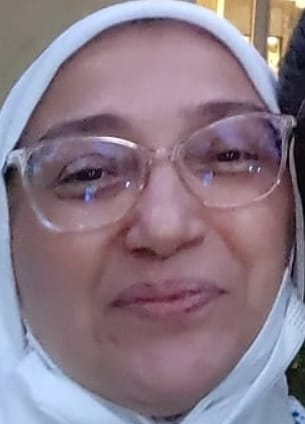
Dr. Momina Sirguroh

Assistant Professor

Qualification: M.A [Political Science, History] BEd, ADBA, Counselling Skills for Helping Professional, PhD

Specialisation: Indian Political System, Tribal Studies

Number of Research Publications: 28

Number of Paper Presentations: 10

Number of Book Chapters: 4

Number Books as Editor: 1

Number of Conferences organised: 4

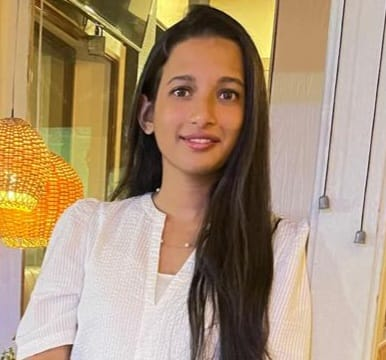
Zara Mohammed Tasnim Khan

Assistant Professor

Qualification: M.A, MH SET

Specialisation: International Relations

Number of Research Publications: 1

Number of Paper Presentations: 1

Number of Conferences organised: 2

Courses Offered

Composition of BOS

The Board of Studies in Political Science consists of experienced academicians, subject experts, industry representatives, and alumni to ensure a relevant and dynamic curriculum.

Category Name and Designation Affiliation
Chairperson (Head of Department) Dr. Momina Sirguroh
Assistant Professor
University of Mumbai
Full time teachers of the Department Prof. Zara Khan
Assistant Professor
University of Mumbai
One expert nominated by the Vice-Chancellor Dr. Harshad K. Bhosle
Professor
Kirti College, Mumbai University
Two subject experts from outside the Parent University nominated by the Academic Council. Dr. Dattatraya Shivaji Thorat
Professor
Sholapur University
One expert nominated by the Principal Dr. Ketankumar S. Bhosale
Professor
Sathaye College
One representative from industry/corporate sector/allied area relating to placement. Mumtaz Shaikh
Author, Global Speaker, Growth Coach
Freelancer
One postgraduate meritorious alumnus nominated by the Principal. Dr. Urmila Chauhan
Assistant Professor
University of Mumbai

Academic Year 2025-26

The Department of Political Science conducted a wide range of academic and co-curricular activities during the academic year 2025–2026, focusing on the holistic development of students through participative and experiential learning methods. The department continued to promote critical thinking, awareness of current political developments and a sense of social responsibility among students.

To make teaching–learning more interactive, various methods such as seminar presentations, group discussions, quizzes, debates, Power Point presentations and documentary screenings were regularly utilized. These activities encouraged students to think independently and engage with contemporary socio-political issues.

A series of film screenings were organized to enhance students’ understanding of important social and political themes. These included White Revolution, Mrs. Chatterjee vs Norway and documentaries on Consumer Rights, The Jan Lokpal Bill, and the Fridays for Future movement. These screenings were followed by discussions, helping students critically analyze issues related to governance, rights, activism and global environmental concerns.

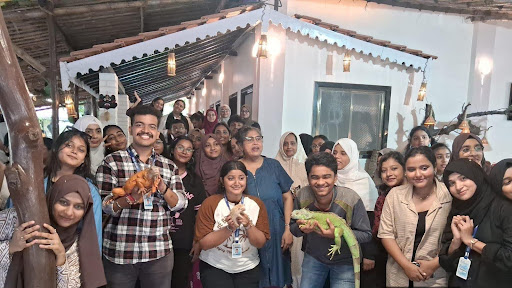
The department also organized educational visit to the Yusuf Meherally Centre and Saguna Baug, providing students with exposure to rural development initiatives and Gandhian philosophy in practice. Such field visits helped bridge the gap between theoretical knowledge and real-life applications.

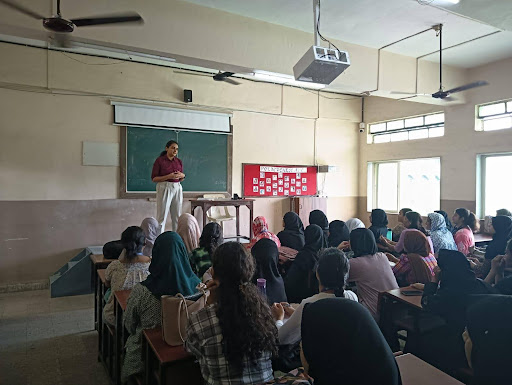
To guide students in their academic and career paths, a talk on UPSC preparation and other competitive examinations was conducted. The session provided valuable insights into exam strategies, career opportunities in civil services and the importance of political science in competitive exams.

In addition, the department continued its efforts to sensitize students to current political events at the state, national and international levels. Various discussions and classroom activities were conducted to keep students updated and engaged with ongoing socio-political developments.

Overall, the Department of Political Science successfully organized diverse activities throughout the academic year 2025–2026, contributing to the intellectual growth, skill development and civic awareness of students and preparing them to become informed and responsible citizens.

Visit to Saguna Baug, Karjat

Consumer Rights Day Awareness

Cracking the Code: UPSC Preparation strategies (IPS Mavis Tak)

Achievements

  1. Mitthal Maurya, Anam Farooqui, and Zoya Shaikh secured First Prize in “Election Fever: The Campaign Challenge” at Gyan Manthan (2025).
  2. Anam Imran Farooqui achieved academic excellence as the Topper of Semester V (2025–2026).
  3. Vedkumar Singh secured Third Prize in the intercollegiate debate competition “Constitution: A Written Legacy”, organized by Sathaye College.
  4. Iram Tak and Pratham Mehra presented a poster and published a paper titled “Government Policies Beyond Disposal: Rethinking Waste Management for Sustainability.”
  5. Naba Shabrez Khan presented a research paper titled “Bridging Policy Gaps in Government Funding for Women-Centric Financial Training: Empowering Entrepreneurship and Startups in India.”
  6. Akshita Gaikwad contributed with her paper “Algorithm Beauty: Are Social Media Platforms Training Women to Prefer Certain Bodies.”
  7. Rishika Ravindra Nayak secured First Prize in an intercollegiate Youth Parliament Competition organized by the Legal Aid Clinic of KES’ Shroff College.

Academic Year 2024-25

The Department of Political Science actively organized a range of academic and co-curricular activities aimed for the overall personality development of students. The department adopted a blend of innovative teaching–learning methods including seminar presentations, group discussions, quizzes, debates, crossword activities, Power Point presentations and screenings of documentaries to make the learning process interactive and engaging.

Throughout the academic period, efforts were made to develop critical thinking, independent analysis and awareness of national integration among students.

The department regularly acquainted students with recent political developments at the state, national and international levels, enabling them to stay informed and socially aware.

A variety of activities were conducted to provide practical exposure to political processes and social realities. These included Youth Parliament sessions and screenings of films such as Gandhi and Baccha Posh, along with documentaries on the election process. These activities helped students understand democratic functioning and contemporary socio-political issues.

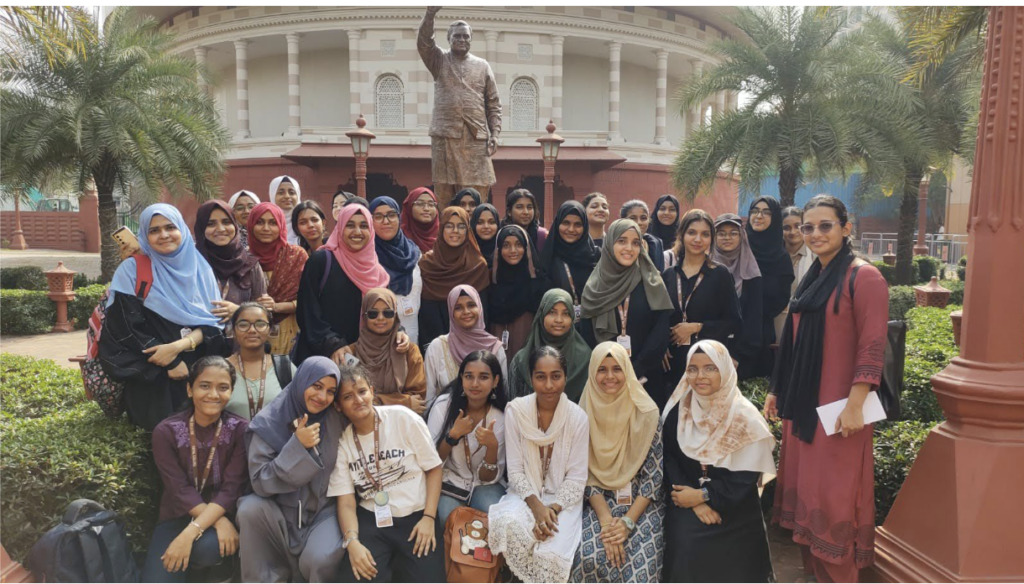
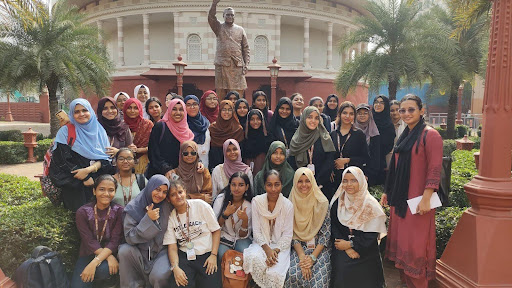
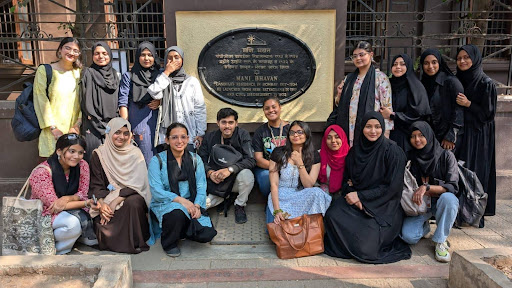
To enhance experiential learning, educational visits were organized to significant historical and political sites such as Samyukta Maharashtra Sadan, Veer Savarkar Smarak, Chaitya Bhoomi, Atal Smriti Udyan and Mani Bhavan. These visits enriched students’ understanding of India’s political and historical landscape.

The department also organized guest lectures, including a session on “The Evolution of Maharashtra’s Culture from Ancient Roots to Modern Expression,” and conducted interactive learning activities such as Decoding the Political Game Plan to strengthen analytical and decision-making skills.

In addition to academic initiatives, the department undertook extension activities such as teaching street children, thereby contributing to community development. This initiative also helped students develop communication skills, empathy and leadership qualities.

Overall, the Department of Political Science successfully conducted diverse activities that contributed to the holistic development of students, fostering socially responsible, informed and active citizens.

Visit to Atal Smruti Udyan, Borivali

Visit to Mani Bhavan, Grant Road

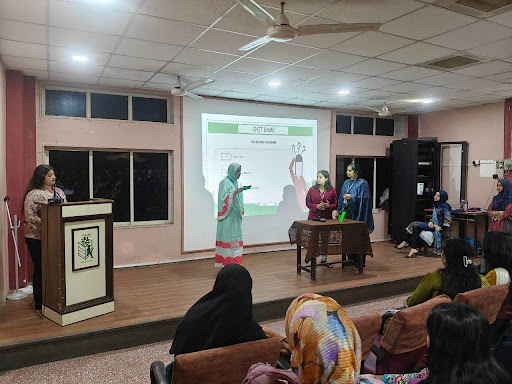
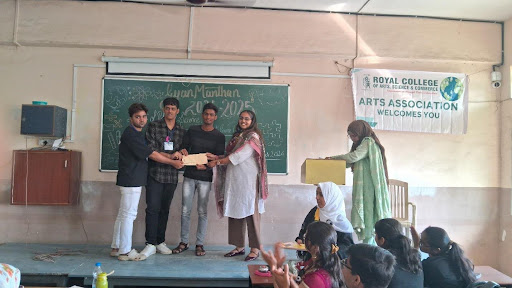
Gyan Manthan- Politico Venture: Decoding the Political Game Plan

Achievements

  1. Saniya Sayyed, Aleena Shaikh, and Naba Khan secured First Prize at “Politico Venture: Decoding the Political Game Plan” during the intercollegiate event Gyan Manthan (2024)
  2. Khan Aqsa Arman was recognized as the Student Topper (2024–2025) for outstanding academic performance.

Department Best Practices

The Department of Political Science adopts student-centric and participative teaching practices to promote critical thinking and civic awareness. Methods such as debates, group discussions, seminars, talks and movie/documentary screenings are regularly used to make learning engaging and relevant.

The department organizes activities like Constitution Day to strengthen constitutional values and democratic awareness. Career-oriented guidance is provided through talks on careers via UPSC and other competitive examinations, helping students explore future opportunities.

Experiential learning is encouraged through educational visits to places such as Samyukta Maharashtra Dalan, Mani Bhavan Chaitya Bhoomi and Atal Smruti Udyan along with film screenings and expert talks on contemporary political issues.

These practices collectively help in developing informed, responsible and socially aware citizens.