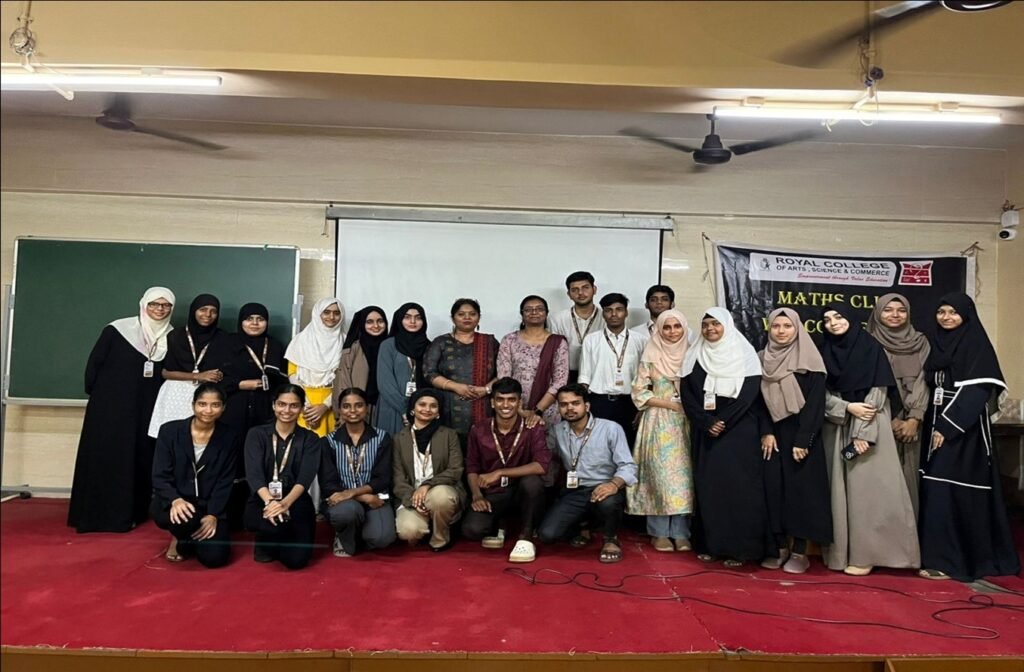

The Department of Mathematics was established in the very first year of the establishment of Royal college of Arts, Science and Commerce in 1989. Since its inception, the department has been committed to providing a strong foundation in pure and applied mathematics while fostering analytical and problem-solving skills among students.
With the implementation of the National Education Policy (NEP), the Mathematics Department has aligned its teaching and learning practices like flipped classroom, educational games, quizzes, use of Mathematical software to ensure holistic, multidisciplinary, and skill-based education. The department has strived to enhance the scope of learning beyond classroom confines, broaden students’ knowledge, and provide exposure to real-life applications of the subject.
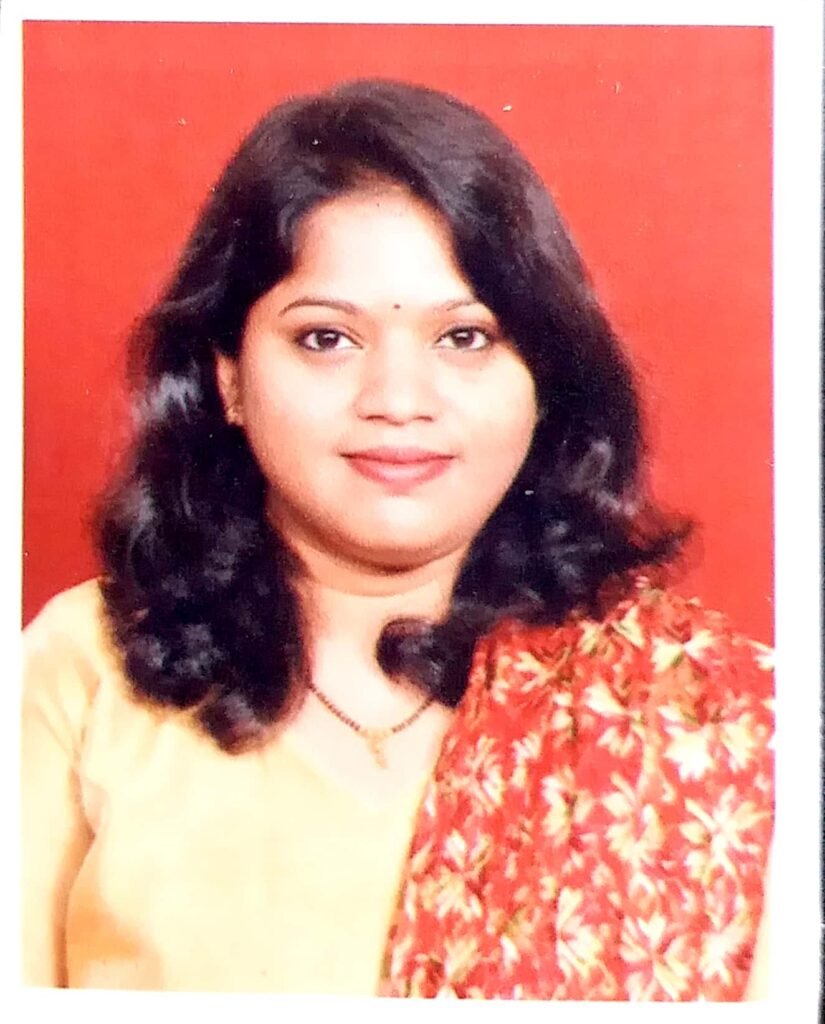
Assistant Professor
Qualification: M. Sc. Mathematics
Specialisation: Pure Mathematics
Number of Research Publications: 04
Number of Paper presentations: 04
Vidwaan ID: 588431
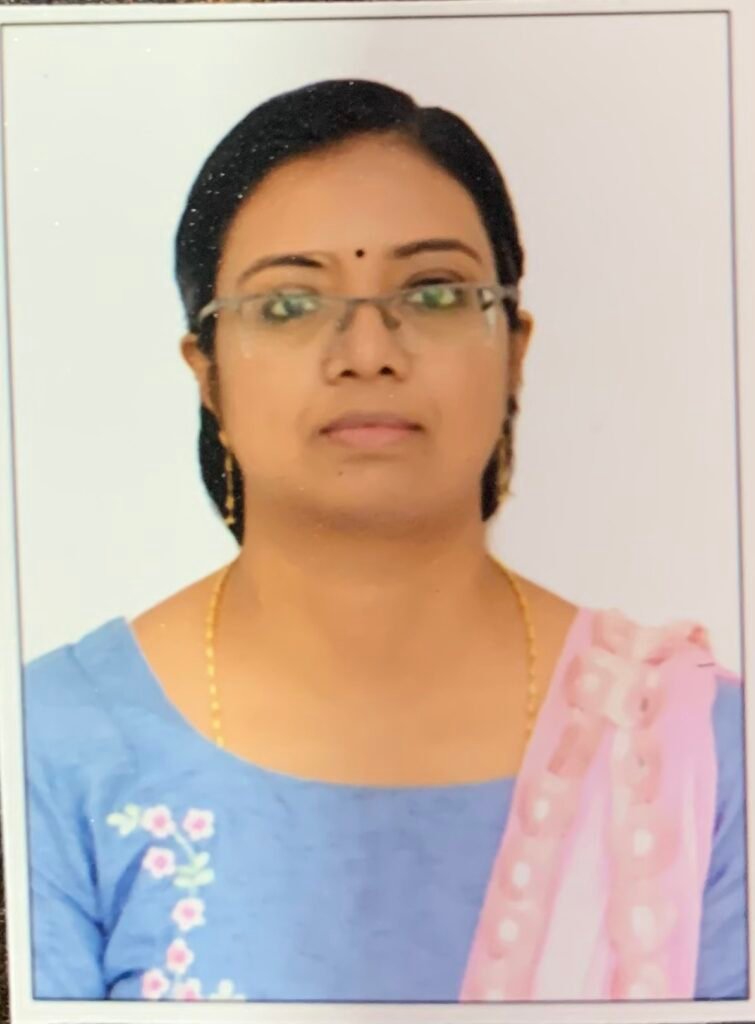
Assistant Professor
Qualification:MSc, BEd, NET
Specialisation: Applied Mathematics
Number of Research Publications: 01
Number of Paper presentations: 02
Number of Conferences organised: 03
Vidwaan ID: 588431
NEP Syllabus
Data Analysis & Visualization
Descriptive Statistics
Mathematics For Competitive Examination
The Board of Studies in Political Science consists of experienced academicians, subject experts, industry representatives, and alumni to ensure a relevant and dynamic curriculum.
| Category | Name and Designation | Affiliation | |
|---|---|---|---|
| 1 | Chairperson (Head of Department) | Mrs Komal Pravin Wategaonkar, Assistant Professor. |
University of Mumbai |
| 2 | Full time teacher of the Department | Mrs Rugma Pramod Nair, Assistant Professor. |
University of Mumbai |
| 3 | Two subject experts from outside the Parent University nominated by the Academic Council. | Dr Ananthnarayan Hariharan,
Associate Professor. Dr. Amiya Bhowmick, Assistant Professor. |
I.I.T., Bombay
ICT Mumbai |
| 4 | One expert nominated by the Vice-Chancellor from a panel of six recommended by the College Principal. | Dr. Rajesh Raut Assistant Professor, R. D. National college. |
University of Mumbai |
| 5 | One expert nominated by the college Principal | Mr. Subhash Krishnan Associate Professor, Vice Principal, K J Somaiya college of Science and Commerce. |
University of Mumbai |
| 6 | One representative from industry/corporate sector/allied area relating to placement. | Mr. Arbaz Sayed Data Scientist |
Data Scientist Wipro, Hyderabad, Telangana |
| 7 | One postgraduate meritorious alumnus nominated by the Principal. | Ms. Harshita Rathore, Team Lead, Inventory Management |
Supply Chain Fulfillment Manager, Austin, Texas, USA |
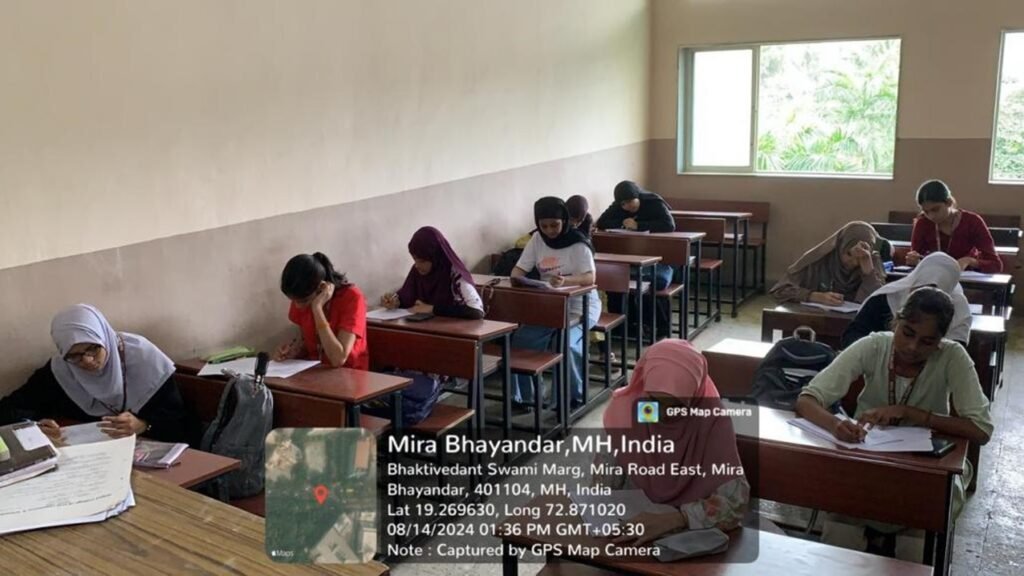
The department undertook several innovative initiatives to transform the learning of mathematics into an engaging and application driven experience. Activities such as True or False Marathons, Mathematical Story Writing, Crossword Puzzles, Mathematical Housie, Pictionary and quantitative aptitude tests were organized to strengthen analytical and problem-solving abilities. In addition, an Intercollegiate Mathematical Ludo Competition was introduced, providing a unique platform for students to apply logical reasoning and teamwork in an interactive setting. These efforts were in alignment with the NEP’s emphasis on experiential and competency based learning.
Addressing the varied academic needs of students, the department ensured inclusivity by conducting remedial lectures and tutorial-based assessments for slow learners, thereby promoting equal access to learning opportunities.
To cultivate essential soft skills and effective communication, the department organized Annual Mathematics Seminar. It contributed to building confidence, creativity, and collaborative learning among students.
Further, reflecting the NEP’s focus on integrating education with practical exposure and technology, students were encouraged to use various softwares contribute to the student-edited magazine ‘Mathemagic’. This initiative provided a creative outlet for students to showcase the real life applications of mathematics while enhancing their writing and presentation skills.
To make the learning of mathematics enjoyable and application-oriented, the department organized activities such as True or False Marathons, Mathematical story writing, crossword puzzles, Mathematical Housie, and Pictionary, alongside quantitative aptitude tests. These activities not only promoted problem-solving skills but also supported the NEP’s emphasis on experiential and competency-based learning. Recognizing the diversity of learners, the department adopted the NEP’s inclusive approach by conducting remedial lectures, and tutorial tests for slow learners, thereby ensuring equity in learning opportunities. For advanced learners, research paper guidance was offered to encourage critical thinking, inquiry, and innovation.
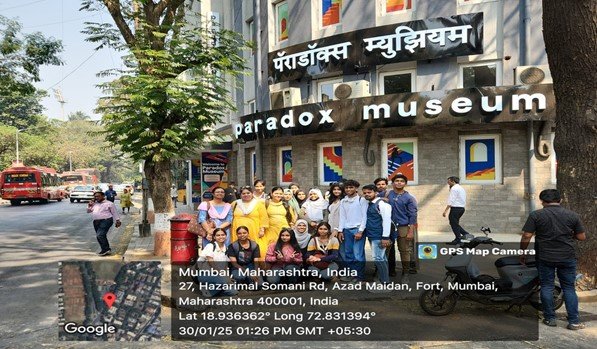
To develop soft skills and communication abilities vital for students’ professional growth, the department organized Annual Mathematics Seminars and MATHSHOW competitions at both intra- and inter-collegiate levels, nurturing collaboration, creativity, and confidence. Educational visit to Paradox museum inculcated curiosity amongst the students. In line with NEP’s vision of integrating technology and connecting education with society, the department encouraged students to explore the world of print through the student- edited magazine ‘Mathemagic’. This platform helped students engage with the practical uses of mathematics.
2024–25:
The Department of Mathematics follows several best practices to make learning engaging, application oriented and aligned with the NEP.
The Annual Mathematics Seminar and Mathsshow, intracollegiate and intercollegiate presentation competition respectively on applications of Mathematics, helps students improve their subject knowledge, presentation skills and communication skills. The department also publishes “Mathemagic”, a student edited e-newsletter that promotes creativity and showcases real-life applications of mathematics.
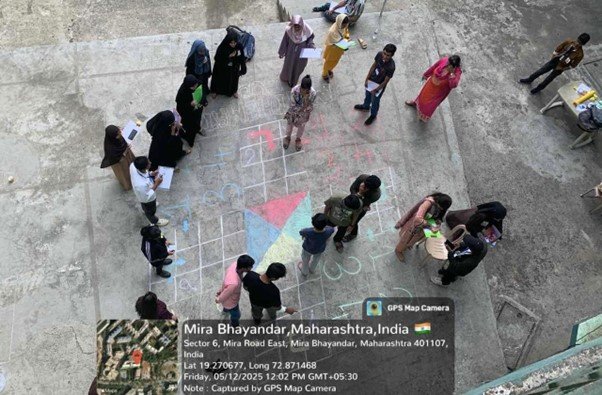
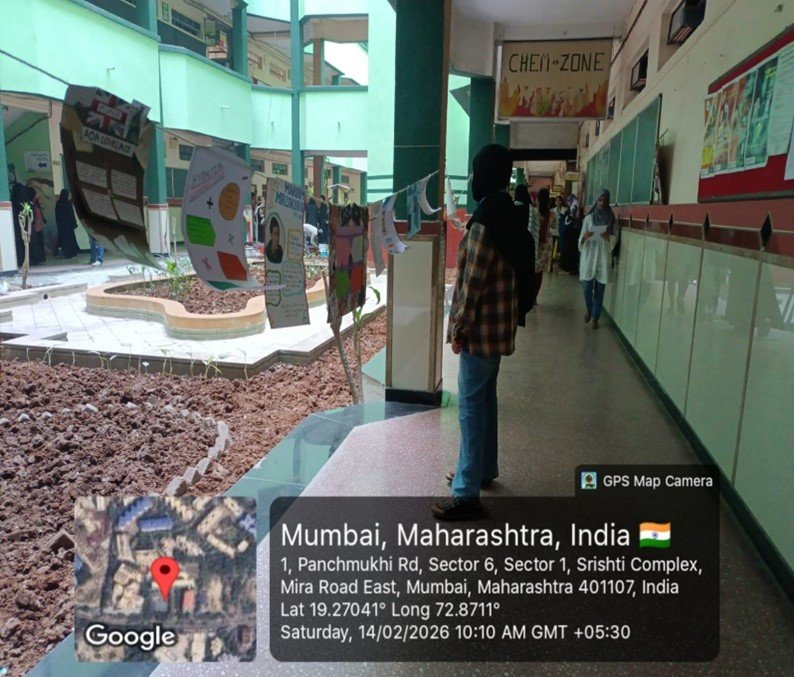
The Mathematics Week Celebration includes activities such as Mathematical Housie, Pictionary, Story Writing, Aptitude Tests, and Debate Competitions, making learning interactive and enjoyable while enhancing analytical and critical thinking.
These initiatives encouraged active participation, experiential learning, and holistic development of students.