
The Department of Economics was established in 1989 under the leadership of Dr. Shobha Kamble and later by Dr. Jyotsna Haran. It is currently headed by Dr. Shivangi Tiwari. The former Heads have served the institution with remarkable contribution for over a decade, contributing significantly to its academic development.
The department was introduced in response to the growing importance of Economics as a discipline, emphasizing analytical thinking and logical reasoning. Since its inception, it has catered to both Arts and Commerce students, fostering economic understanding among diverse learners.
The department maintains high academic standards through structured curriculum delivery, a student-centric approach, and active engagement. It takes pride in its consistent university results and field-based projects.
Emphasis is placed on empirical learning through fieldwork, surveys, and interactive teaching methods, enabling students to develop critical thinking, data analysis skills, and awareness of current economic issues.
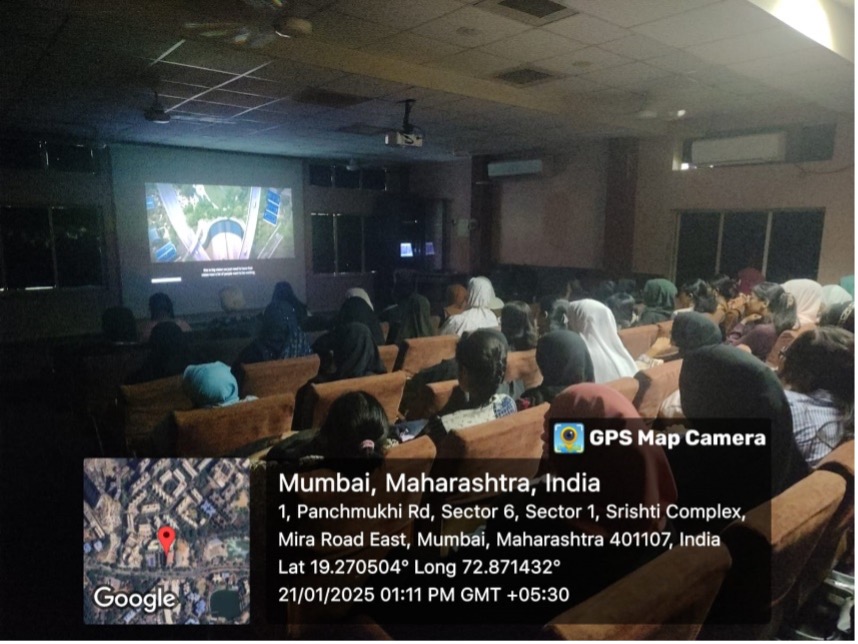
Supported by experienced and qualified faculty, the department actively contributes to research and curriculum enrichment. Regular activities such as guest lectures, educational games, movie screenings, and extension programs enhance student learning and employability.
The department strives to nurture responsible, skilled, and informed individuals capable of contributing to society and the evolving economic environment.
Assistant Professor
Qualification: M.A [Political Science, History] BEd, ADBA, Counselling Skills for Helping Professional, PhD
Specialisation: Indian Political System, Tribal Studies
Number of Research Publications: 28
Number of Paper Presentations: 10
Number of Book Chapters: 4
Number Books as Editor: 1
Number of Conferences organised: 4
Assistant Professor
Qualification: M.A, MH SET
Specialisation: International Relations
Number of Research Publications: 1
Number of Paper Presentations: 1
Number of Conferences organised: 2
The Board of Studies in Political Science consists of experienced academicians, subject experts, industry representatives, and alumni to ensure a relevant and dynamic curriculum.
| Category | Name and Designation | Affiliation |
|---|---|---|
| 1. Chairperson (Head of Department) | Dr. Raju Kurian Associate Professor |
University of Mumbai |
| 2. Full time teachers of the Department | Dr. Ravishri Mishra Associate Professor |
University of Mumbai |
| 3. Two subject experts from outside the Parent University nominated by the Academic Council. | Dr. Chandrakant Kamble Professor, Head of Department |
Sholapur University Vasundhara Kala Mahavidhyalaya |
| 4. One expert nominated by the Vice-Chancellor | Dr. Sashi Mishra Professor, Head of Department |
University of Mumbai R.J College |
| 5. One expert nominated by the Principal | Dr. Sushila Yadav Assistant Professor |
University of Mumbai Gokhale College |
| 5. One representative from industry/corporate sector/allied area relating to placement. | Ms. Amita Chaurasia Associate Vice President, CSR |
Motilal Oswal Financial Corporate Ltd. |
| 6. One postgraduate meritorious alumnus nominated by the Principal. | Ms. Zarneen Mirza Assistant Professor BAMMC Department |
University of Mumbai Bhavan’s College |
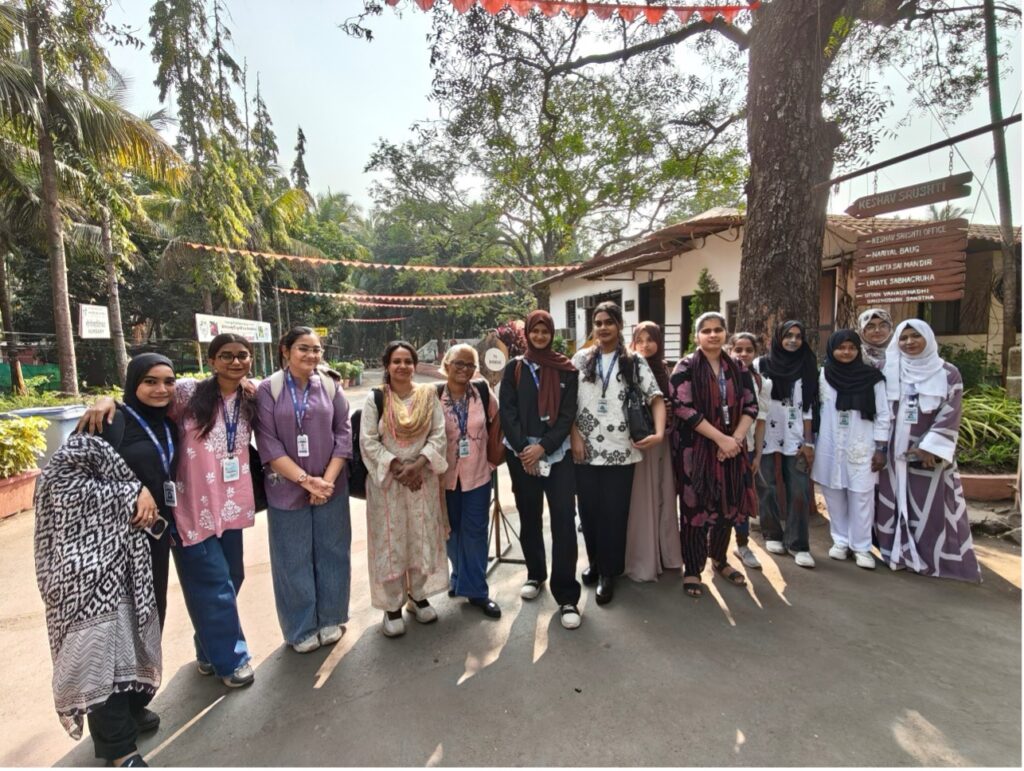
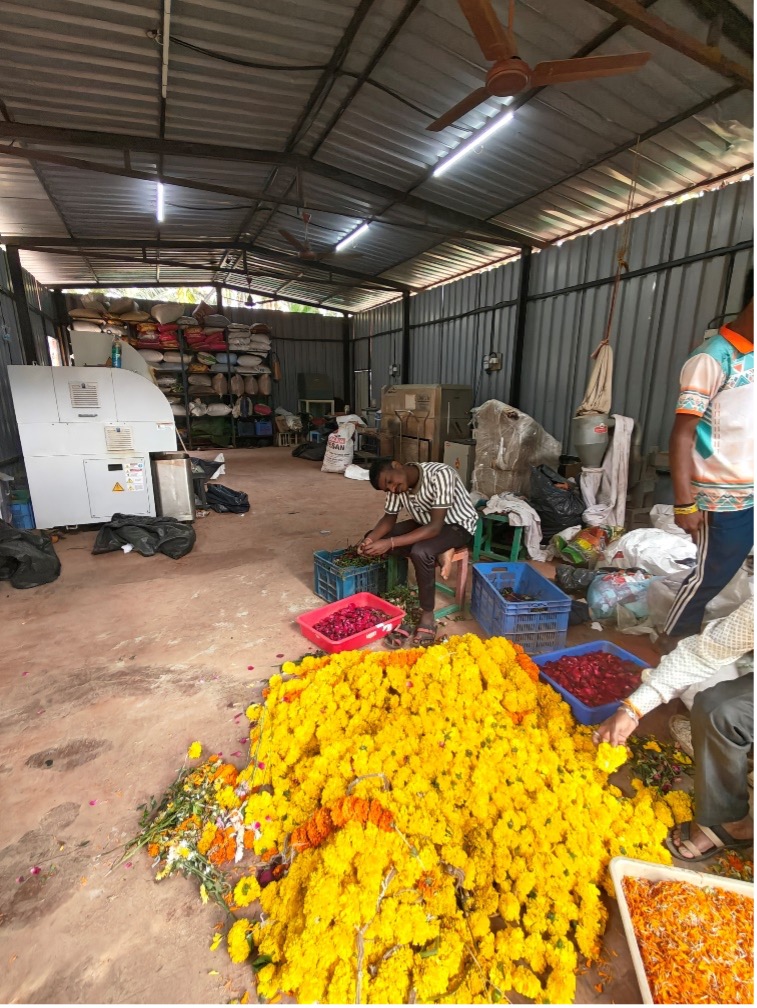
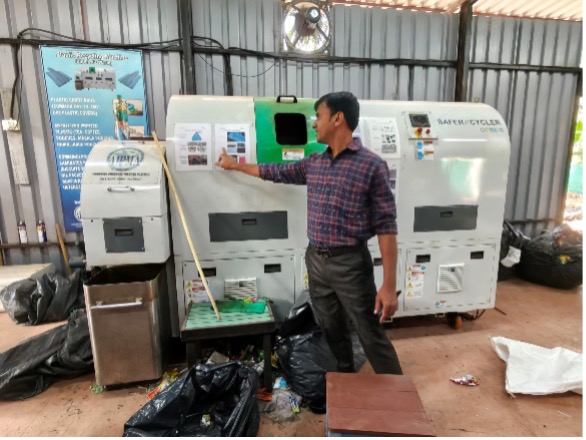
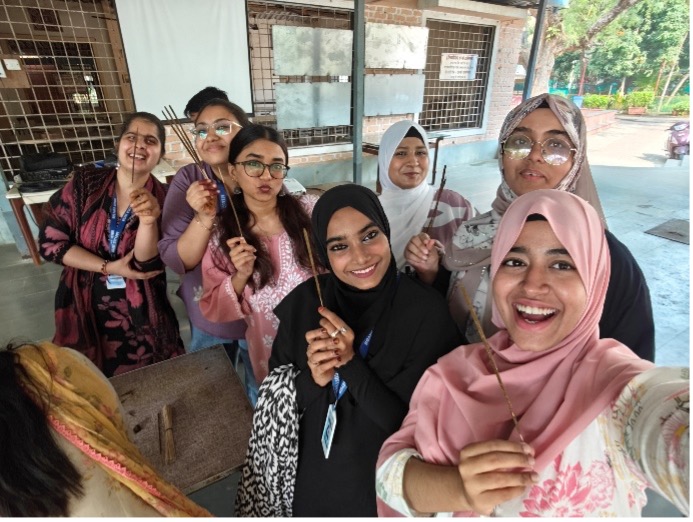
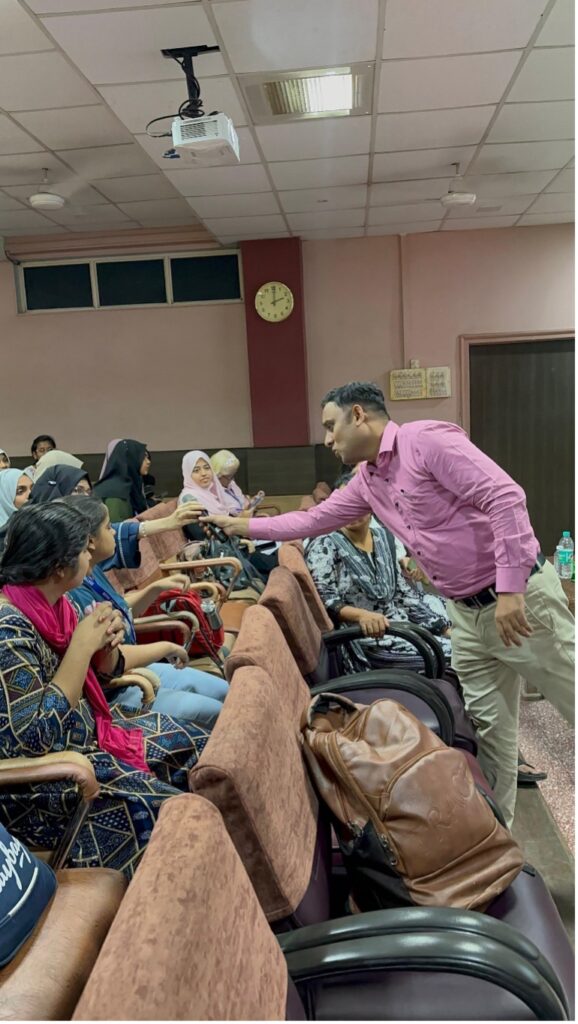
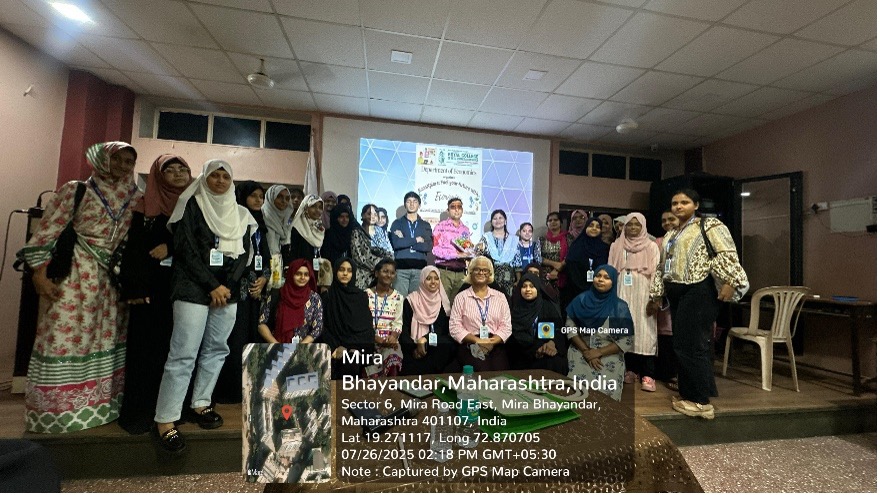
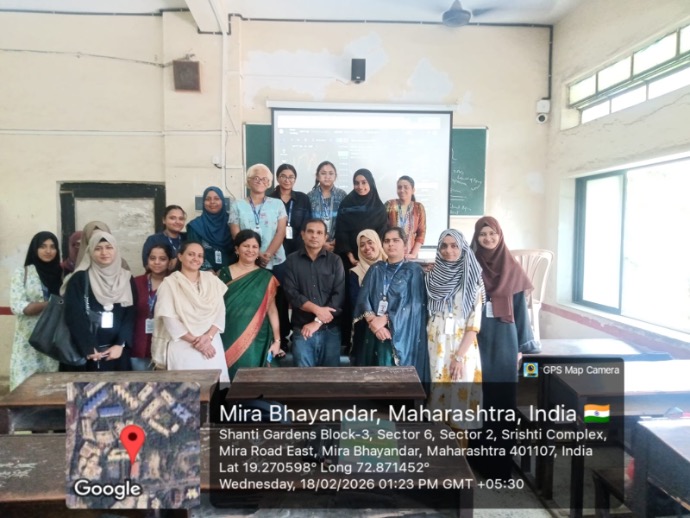
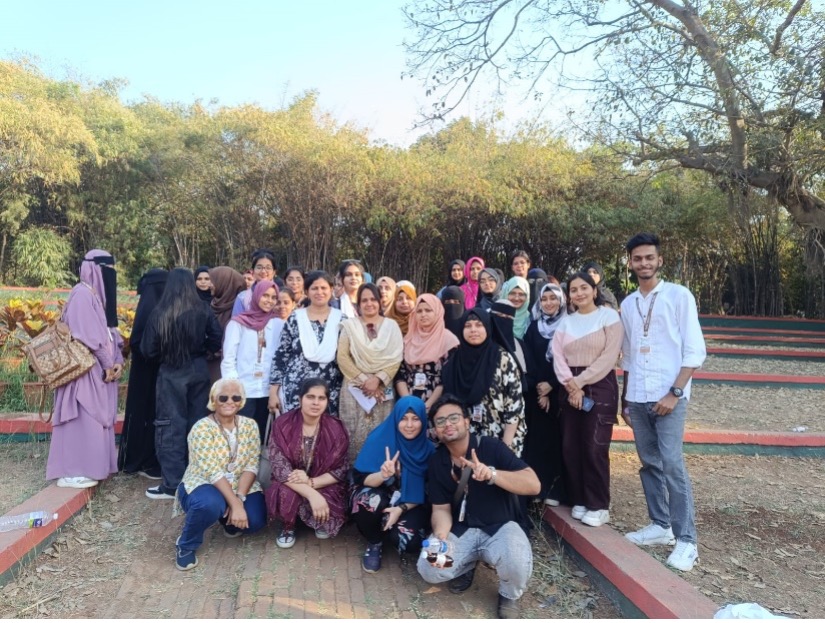
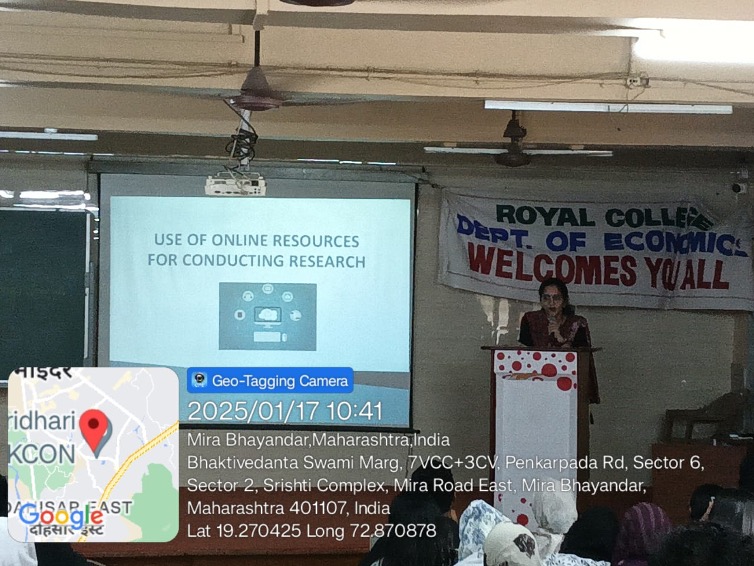
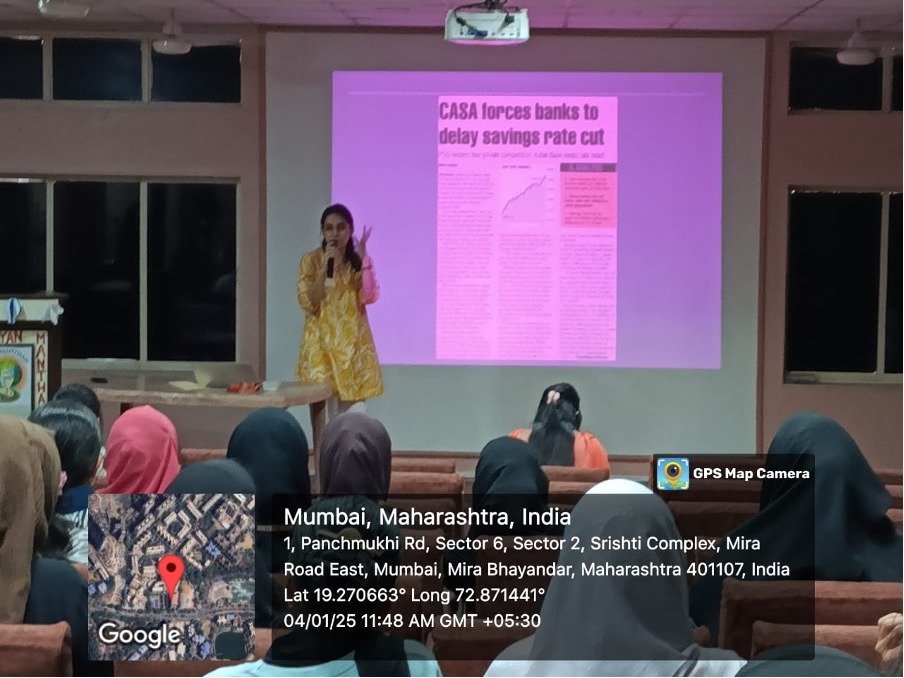
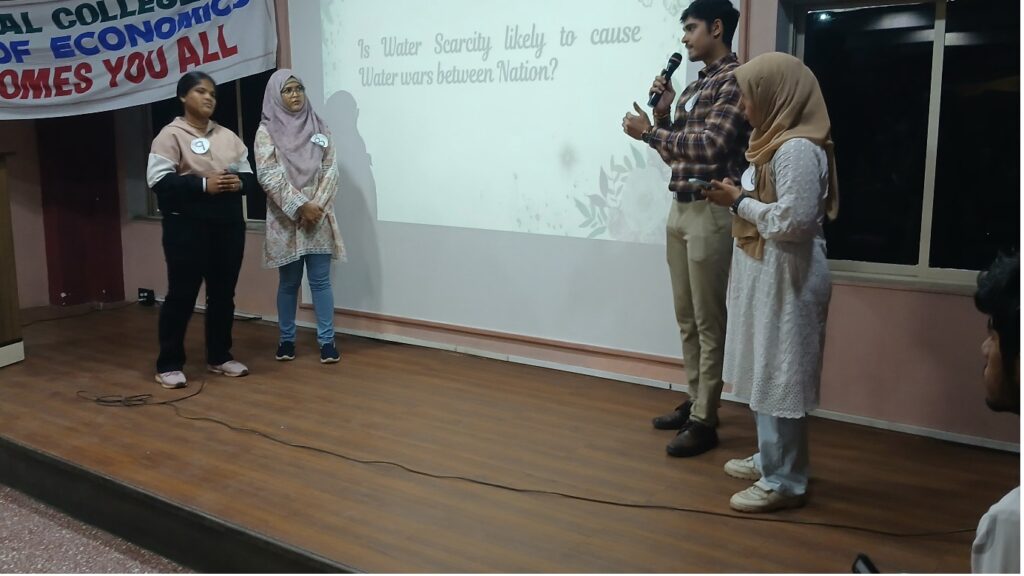
The Department of Economics has undertaken array of activities throughout the year to achieve holistic development of students. Various Co-curricular, extra-curriculum activities such as Open Mic competition intercollegiate level, quiz competition and movies screenings were organised. To give practical knowledge of theoretical concepts vvarious guest lecture was organised where esteemed personality, subject matter experts, Alumni and librarian gave lecture on career guidance “EconXplore: Fuel your career in Economics”, “ Session on Capital Market” and “Use of Online tools in Conducting Research” respectively. Students were taken on educational filed visit to ‘Keshav Shrushti’ to raise concern and interest about sustainable environmental practices. To develop research aptitude among students they were guided and motivated to participate in inter-collegiate event such as “Avishkar” which was organised by the University of Mumbai and also in International conference which was organised by our college. To create a sense of social responsibility towards the community students under the guidance of the department undertaken an extension activity, as a part of Community Engagement Programme, where students were sent to teach underprivileged students of MBMC Urdu Medium school situated in Mira Road East.
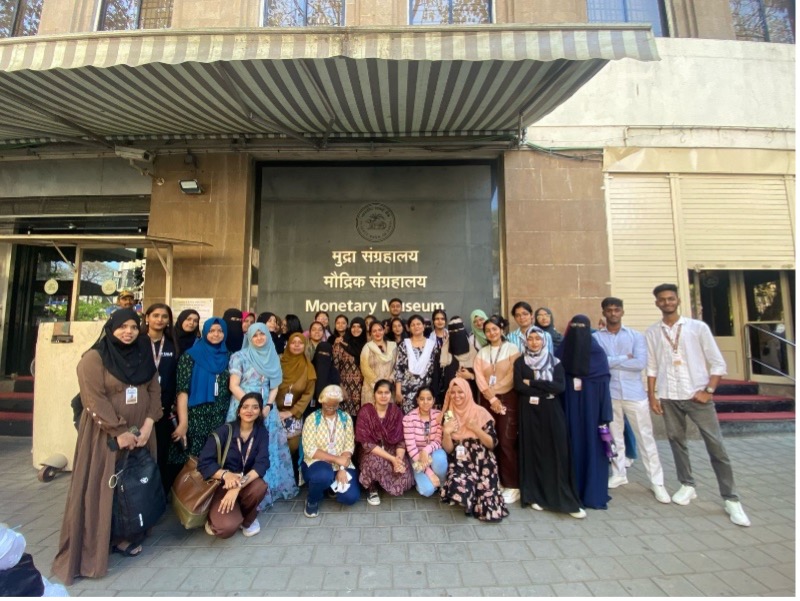
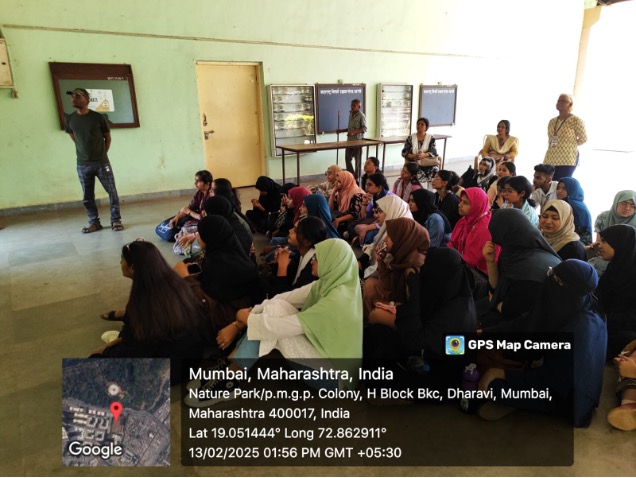
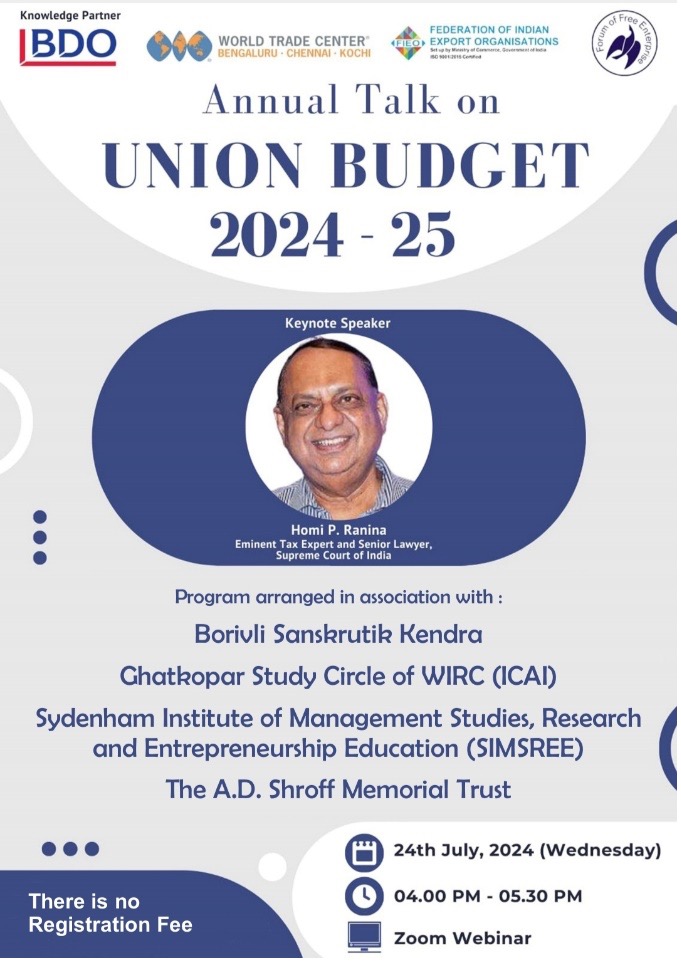
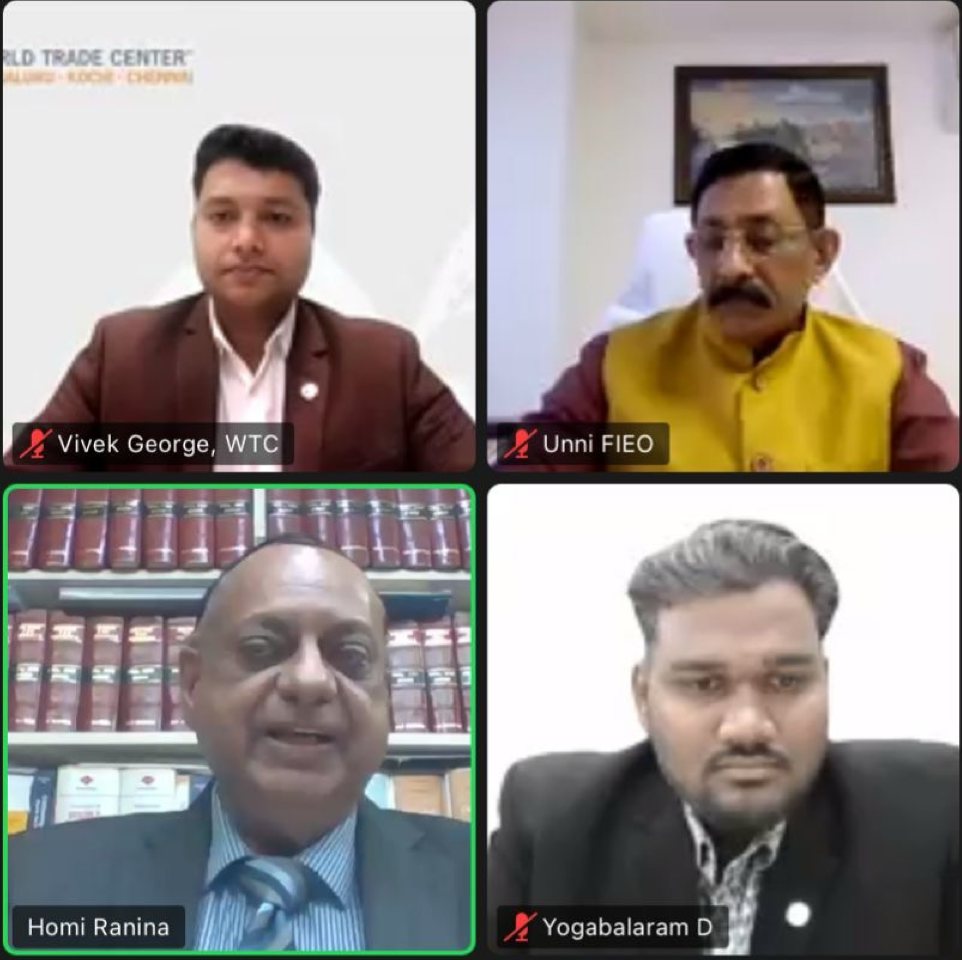
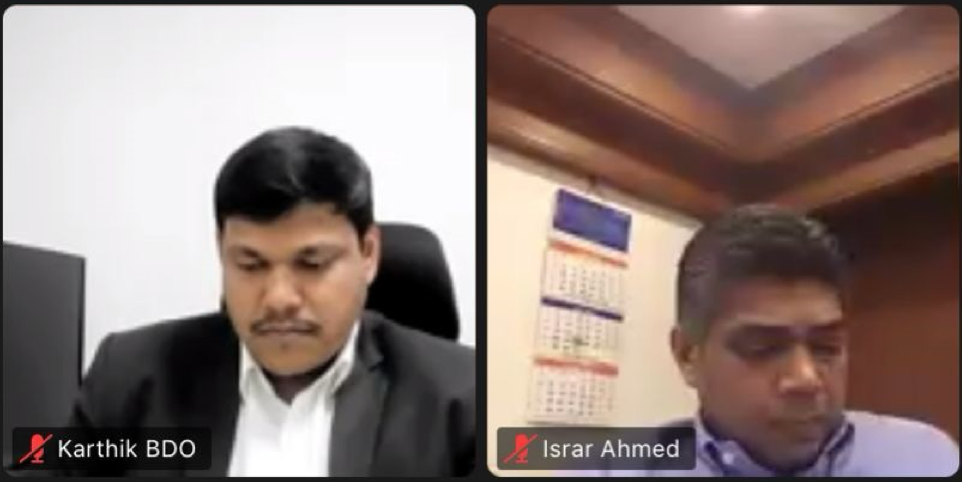
The Department of Economics has undertaken array of activities throughout the year to achieve holistic development of students. Various Co-curricular, extra-curriculum activities such as debate competition intercollegiate level, quiz competition and movies screenings were organised. To give practical knowledge of theoretical concepts vvarious guest lecture was organised where esteemed personality, subject matter expert from Forum for Free Enterprises, Alumni and librarian gave lecture on “Talk on Union Budget”, “Career Scope in Journalism” and “Use of Online tools in Conducting Research” respectively. Students were taken on educational filed visit to RBI monetary museum to know the history of monetary system in India and ‘Maharashtra Nature Park’ to create awareness about sustainable environmental practices. To develop research aptitude among students they were guided and motivated to participate in inter-collegiate event such as “Avishkar” which was organised by the University of Mumbai and also in National conference which was organised by our college. To create a sense of social responsibility towards the community students under the guidance of the department undertaken an extension activity, where students were sent to teach underprivileged students of MBMC Urdu Medium school situated in Mira Road East.
1. Experiential Learning Approach
The department emphasizes learning beyond the classroom through field surveys, educational visit, case studies, and project-based assignments, enabling students to connect theoretical concepts with real-world economic situations.
2. Research and Project Orientation
Students are encouraged to undertake research projects on contemporary economic issues, developing analytical thinking, data interpretation, and report-writing skills.
3. Use of ICT in Teaching-Learning
Faculty members uses digital tools such as presentations and online resources to make learning more interactive and effective.
4. Regular Academic Enrichment Activities
The department organizes guest lectures, educational games, alumni talk and group discussions to expose students to current economic trends and expert insights.
5. Student-Centric Teaching Methods
Interactive teaching methods such as quizzes, presentations, debates, and peer learning are adopted through educational games to enhance student participation and engagement.
6. Mentoring and Academic Support
Faculty members provide continuous guidance and mentoring to support students academically and personally, helping them improve performance and confidence.
7. Interdisciplinary Learning
The department integrates concepts from commerce, management, and social sciences to provide a holistic understanding of economic issues.
8. Community and Extension Activities
Students are encouraged to participate in extension programs through Community Engagement Programme such as awareness drives related to financial literacy and Gyandaan.